Google Opens Your Smart Home to Claude - For $20 a Month
Google Home MCP lets Claude, ChatGPT and other agents control devices and read event history. Launch is US-only on the $20/month Premium Advanced tier.
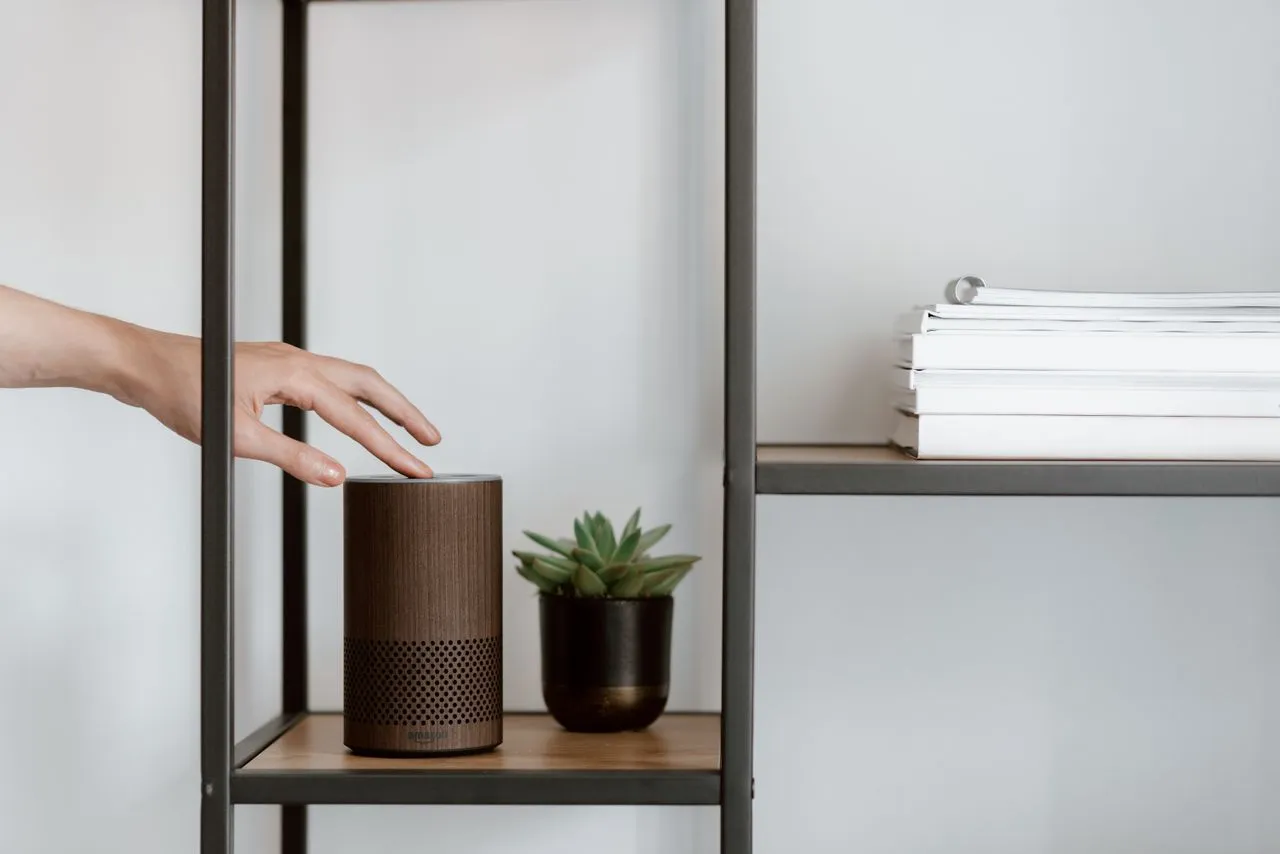
Google opened Google Home to third-party AI agents on Tuesday, but only for US subscribers on its $20-per-month Premium Advanced tier.
The company rolled out early access to a Model Context Protocol server for the Google Home ecosystem. TechCrunch reports it lets "any AI agent that supports MCP — like Claude, Hermes, OpenClaw, ChatGPT, and Google Antigravity — to securely work with their smart home devices and access their event history."
What an agent can actually do with your house
The capability that matters is not voice control. It is access to the data layer underneath it.
Taylor Lehman, group product manager at Google Home & Nest, said in a blog post that the integration "allows any AI agents that support MCP, including Google Antigravity, Claude, Hermes or Open Claw, to securely work with all of the devices and event history in your Google Home ecosystem."
The Verge lists the examples Lehman gave: cross-camera analysis, so you can ask an agent what your kid did when they got home from school; device state history queries, such as how many loads of laundry you ran last week or how long the lights were left on; and agent-built custom dashboards for controlling the home. An agent can also talk back through a Google Home speaker, sending an audio message when it finishes a task.
Device coverage is broad. Per TechCrunch, the system supports any device in the Google Home ecosystem, "including Google Nest doorbells and thermostats and 'Works with Google Home' (or Matter) devices, like light bulbs."
Is it worth $20 a month?
That depends on whether you were already paying. The Verge puts launch availability at "Google Home Premium Advanced users in the US ($20/month or $200/year), with access rolling out in the coming weeks."
TechCrunch describes Premium Advanced as the more expensive tier, carrying longer event-based video history, descriptive notifications and detailed alerts, video history search, and daily summaries. Home MCP is an addition to that bundle, not a standalone product you can buy.
| Requirement | Detail |
|---|---|
| Subscription | Google Home Premium Advanced, $20/month or $200/year |
| Market | US only at launch |
| Setup | Create a Google Cloud project, configure it for Home MCP |
| Agent | Any MCP-capable agent; you supply the config and grant permissions |
| Devices | Google Nest hardware, plus Works with Google Home or Matter devices |
Setup is a developer flow, not a toggle. TechCrunch says users "will need to create a Google Cloud project and configure it to use Home MCP," then hand the configuration details to their agent, which asks them to sign in and grant permissions. Google is offering a setup guide in its Home Developer Center.
Google would not comment on whether or when the MCP would reach other subscription tiers or other markets. For anyone outside the US, there is no announced timeline at all.
The guardrails, and the warning shipped alongside them
Handing an agent control of locks, thermostats and HVAC raises the obvious questions, and Google answered some of them in advance. The Verge reports that Home MCP enforces rate limits and safety protections — for example, it will not allow an agent to unlock doors.
The caveat came from Google itself. Depending on the agent you connect, Lehman said, "connecting it to Home MCP can result in unexpected or even undesired behavior," and he pointed users to Google's developer policies and terms of service.
Read that as a scope statement rather than boilerplate. Google is rate-limiting and blocking the single most dangerous action, and explicitly declining to vouch for what a third-party agent does with everything else.
Gemini for Home is still the front door
This does not replace Gemini for Home, which remains Google's interface for the Home app and Nest smart speakers following the retirement of Google Assistant. Smart speakers stay on Gemini for Home; MCP adds a parallel path so third-party agents can drive devices from their own interfaces.
The practical effect is two assistants in one house, with different privileges. Gemini for Home owns the speaker. Your agent owns the API.
The developer play behind the consumer launch
Google already supports MCP across Google Cloud and its data platforms, developer tools, and Workspace. Home is the piece aimed squarely at consumers experimenting with agents for everyday tasks, and Google is collecting feedback from early adopters through its Smart Home for Developers Community during the rollout.
The Verge frames the direction as a B2B2C strategy: Google launched API access to its smart home in 2024 and has since made Gemini for Home a full-stack AI offering, positioning itself as the smart home's infrastructure layer while other companies build the consumer-facing products on top.
That framing explains the pricing choice better than the feature list does. Gating MCP behind the most expensive tier keeps the blast radius small while Google watches what third-party agents actually do with real homes.
If you can't get it, there is a working alternative
Home Assistant, the open-source smart home platform, has already implemented a similar MCP integration. The Verge's reviewer tested it with Claude and reports it handled troubleshooting, creating automations, designing a dashboard, and advanced configuration through natural language — the tasks most smart home interfaces handle worst.
That is the useful comparison for anyone weighing the $20 tier. The capability is not exclusive to Google; what Google adds is reach across Nest hardware and the Matter devices already bound to a Google Home account.
What to watch next
Three things will tell you how serious this is: whether access widens past Premium Advanced, whether any market outside the US gets a date, and whether the door-unlock block is the only hard-coded limit or the first of a longer list. Until then, treat Home MCP as a paid US beta with a developer-grade setup step, run by agents Google does not control.
More from DangMua