Gemini Omni 1.2 Flash Is GA: A 15-Second Clip Costs $1.04
Google's video model went GA on November 5 with a 30 percent price cut. What a 15-second clip really costs, and how it compares to Veo 3.1 and Runway.
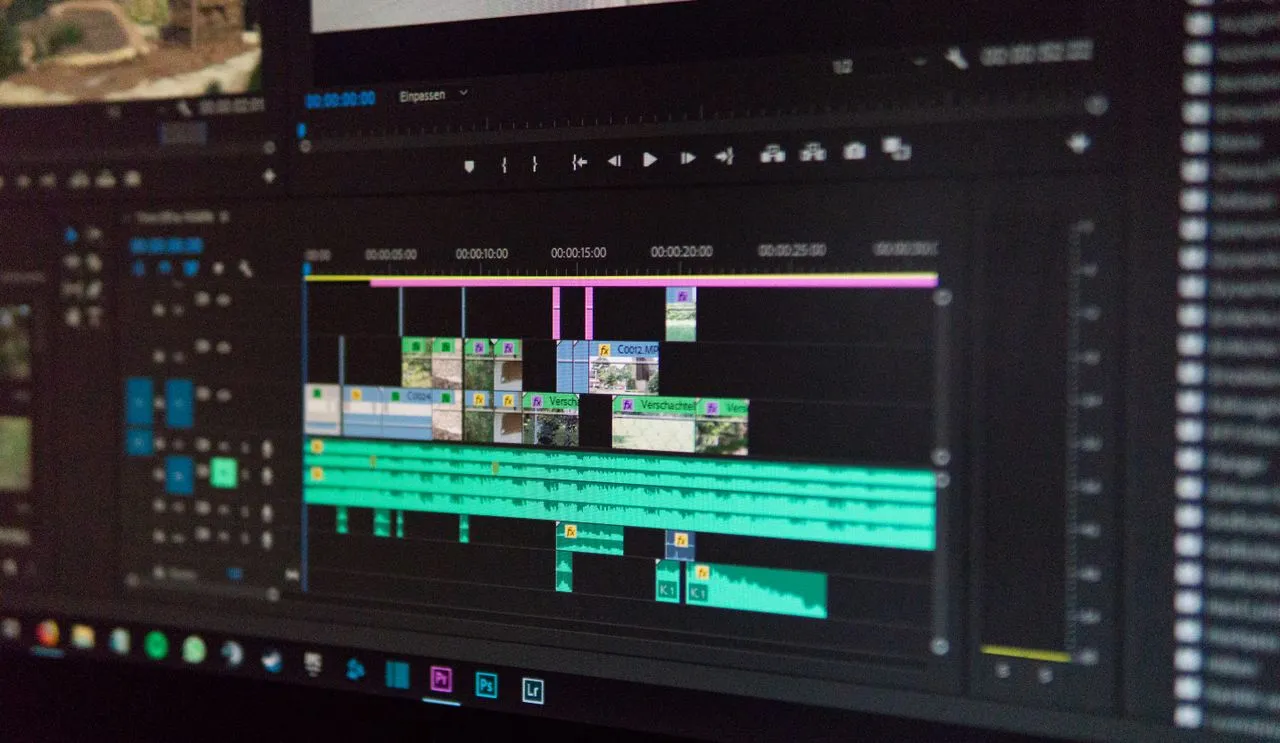
Google's Gemini Omni 1.2 Flash went generally available on November 5 with video output priced at $12 per million tokens — a 30 percent cut.
The model, ID gemini-omni-1.2-flash, is Google's video generation and editing model for the Gemini API, available on the paid tier only. It returns video with synchronized native audio, 3 to 15 seconds per generation, from text, images or video, with up to 6 reference images. Three things changed against Omni 1.1 Flash, according to a developer walkthrough that checked Google's Omni developer guide and the official Gemini API pricing page on November 7: clips grew from a 10-second cap to 15 seconds in one-second steps, video output pricing dropped from $17.50 to $12 per million tokens, and calls to gemini-omni-1.1-flash will be routed to 1.2 automatically from December 3, 2026 and billed at the lower 1.2 rates.
What a clip actually costs
Video output is billed per token, and the token count scales with resolution. The per-clip math from that pricing page:
| Resolution | Tokens/sec | Per second | 8-sec clip | 15-sec clip |
|---|---|---|---|---|
| 360p | 1,931 | $0.023 | $0.19 | $0.35 |
| 720p | 5,792 | $0.07 | $0.56 | $1.04 |
| 1080p (upsampled) | 8,688 | $0.104 | $0.83 | $1.56 |
| 4K (upsampled) | 17,376 | $0.209 | $1.67 | $3.13 |
A 15-second 720p clip is 86,880 output tokens, about $1.04, plus a small input charge for prompt and reference images at $1.50 per million tokens. But generation is probabilistic, and the number that decides whether a feature makes money is cost per accepted clip. The walkthrough's worked example: if one take in three is usable, that 15-second keeper cost about $3.13, not $1.04. Two habits follow — draft at 360p, where a 15-second take runs $0.35, and render only the winning prompt at 720p; and treat a conversational edit as a fresh render at full price, another $1.04 for 15 seconds at 720p, not a discount. No Batch rate was listed for this model on the pricing page as of November 7, so the usual 50 percent batch saving does not apply.
Omni vs Veo 3.1 vs Runway Gen-4.5
The comparison starts with a shutdown: the Veo 3.1 preview models on the Gemini API went dark on October 22, 2026, and Omni is the replacement Google names. Veo 3.1 still runs on Google Cloud's Gemini Enterprise Agent Platform.
| Model | Longest clip | Native audio | 720p per second |
|---|---|---|---|
| Gemini Omni 1.2 Flash | 15 sec | Yes | About $0.07 |
| Veo 3.1 (Google Cloud) | 8 sec | Yes | $0.40 |
| Veo 3.1 Fast (Google Cloud) | 8 sec | Yes | $0.10 |
| Runway Gen-4.5 | 10 sec | No | $0.12 |
Prices were checked November 6-7, 2026 against each vendor's published rates; Runway's figure comes from 12 credits per second at $0.01 per credit. Read the table by constraint: Omni leads on clip length, editing loop and price per second, and it is the only one of the four an existing Gemini API key can call. Veo 3.1 standard is the quality lane for teams already on Google Cloud, at nearly six times Omni's per-second price.
The integration detail that will cost you a day
Omni does not run on generateContent like the Gemini text and image models. It runs on the Interactions API, a stateful endpoint where every generation returns an interaction ID that later calls reference. Generation, conversational editing and clip extension are the same call with different inputs, so the thing you persist is the interaction ID, not a file.
What to watch
- December 3, 2026 — the date 1.1 Flash calls start being served by 1.2. Audit any pinned model string before then.
- Google says character consistency, lip-sync and camera control improved but published no benchmarks, so treat those as claims to test on your own prompts.
- Every output carries an invisible SynthID watermark — a blocker if a client needs unwatermarked masters.
- Free-tier keys fail on this model: the pricing page lists the free tier as "Not available" for both input and output.
More from DangMua