Ante vs Claude Code: Is a 15MB Offline Agent Enough?
A week-long comparison puts Ante's single Rust binary against Claude Code: far smaller footprint and offline models, but beta bugs and no Windows.
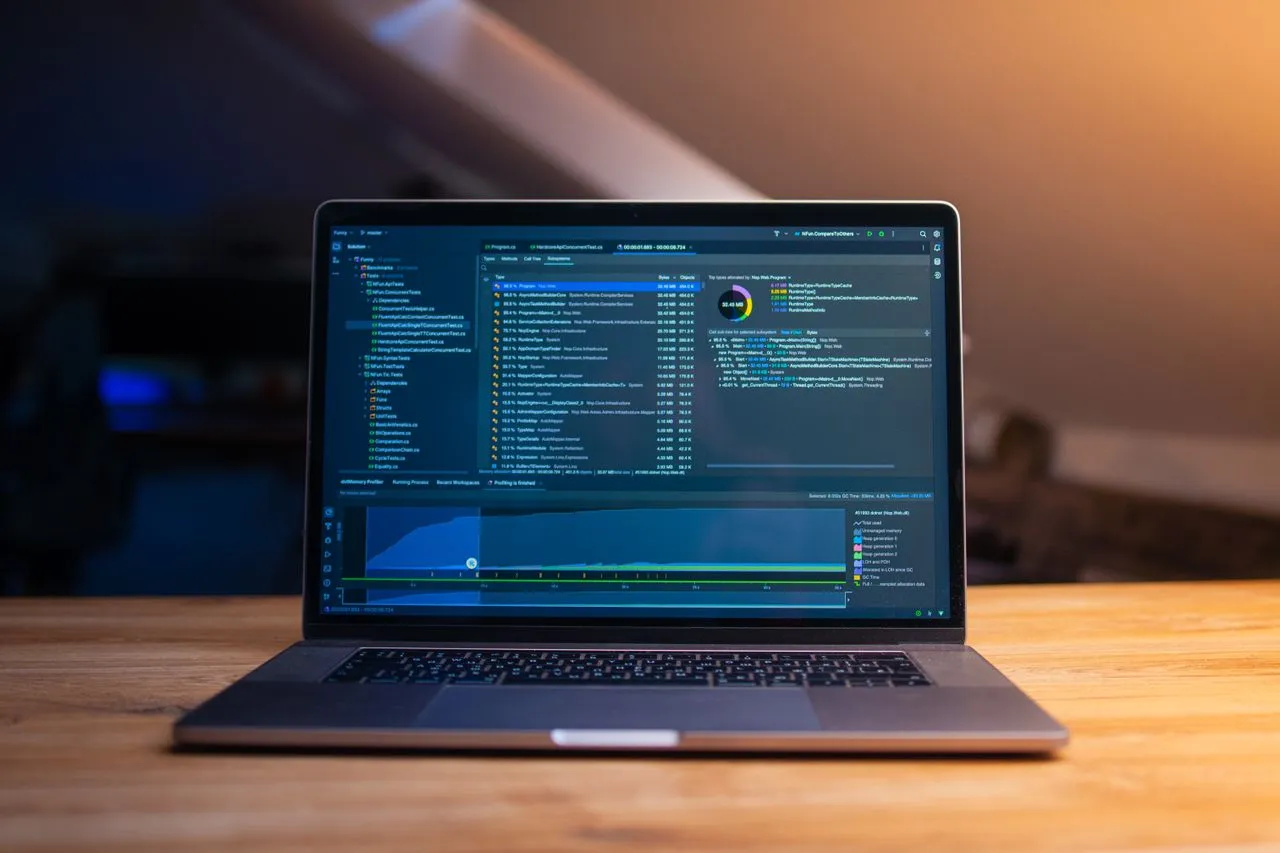
Ante is a terminal coding agent that ships as a single Rust binary of roughly 15MB, expands to 34.1 MiB, and needs no Node, Python or Docker to run. A developer who ran it against Claude Code for a week published the comparison on Dev.to. The short answer on whether to switch: it depends entirely on whether footprint or ecosystem is your constraint.
What you get
Ante comes from Antigma Labs and sits in the same form factor as Claude Code and Codex — it reads your project, runs commands, edits files and manages git repos. The architecture is client-daemon: a TUI client, a headless CLI, an ante serve JSONL server for editor plugins and an ACP crate all drive one daemon, so sessions persist and context survives restarts. It reads AGENTS.md conventions and supports skills, sub-agents, MCP and persistent memory, and it takes any of 12+ providers by API key or subscription with no account or telemetry gate.
The differentiator is a built-in llama.cpp inference engine. Point it at a local GGUF model and you have a fully offline coding agent — no API key, no internet. The reviewer tested exactly that on a flight with a 7B model and described the suggestions as mediocre but "private, free, and offline."
The two numbers in the pitch
The reviewer reports that Ante uses seven times less peak memory than Claude Code, and says that on a large codebase where Claude Code starts swapping, Ante keeps running. He also cites 82.7% on Terminal-Bench 2.1 across 89 tasks — while flagging, in his own words, that Antigma Labs publishes its own benchmark results, "so take it with appropriate skepticism." Treat both figures as vendor-adjacent until someone independent reruns them.
Where it frays
- It is a beta preview. The GitHub page says to expect breaking changes and incomplete functionality. The reviewer hit a TUI that didn't refresh after a file edit and had to restart the session; the issue was already filed and still open.
- macOS and Linux only. Windows users need WSL, which the reviewer calls a workaround rather than a solution.
- Partially open source. The exec, llm, protocol-shape and ante-sdk crates are Apache-2.0, but the core harness stays in a private repository during the alpha, and prebuilt binaries ship under separate Binary Preview Terms.
The verdict, by use case
After a week running both on the same tasks, the reviewer splits it four ways. On straightforward work — refactors, boilerplate, test generation — he found the diffs, speed and quality similar, with footprint as the only real difference. On complex multi-file reasoning, he says Claude Code still wins on context management depth, large-codebase handling and tool-use reliability, with the gap smaller than he expected but present. For local-only or proprietary work, Ante wins outright, because Claude Code requires a cloud connection. For plugins, marketplace and third-party integrations, Claude Code wins on ecosystem size.
His own framing of the ceiling is worth keeping: "The tool is the harness. The model is the engine." A 7B local model gives you 7B-quality suggestions no matter how efficient the binary is.
Should you switch?
If you already pay for Claude Code and are happy with it, the reviewer says Ante won't convert you. The cases he makes it for are narrower and clearer: you want a self-contained agent that runs offline, you work on code that cannot leave the machine, or you are a student or hobbyist who wants something that will not send a bill. Install it alongside your current agent rather than replacing it, and let the memory profile on your largest repo decide.
More from DangMua