Natura's $99 AI Ring Costs $9 a Month After the Trial
Natura's Interface ring launches at $99 and works with Muse, Claude, ChatGPT and Grok Bot. After a free window it is $9 a month, and the price will rise.
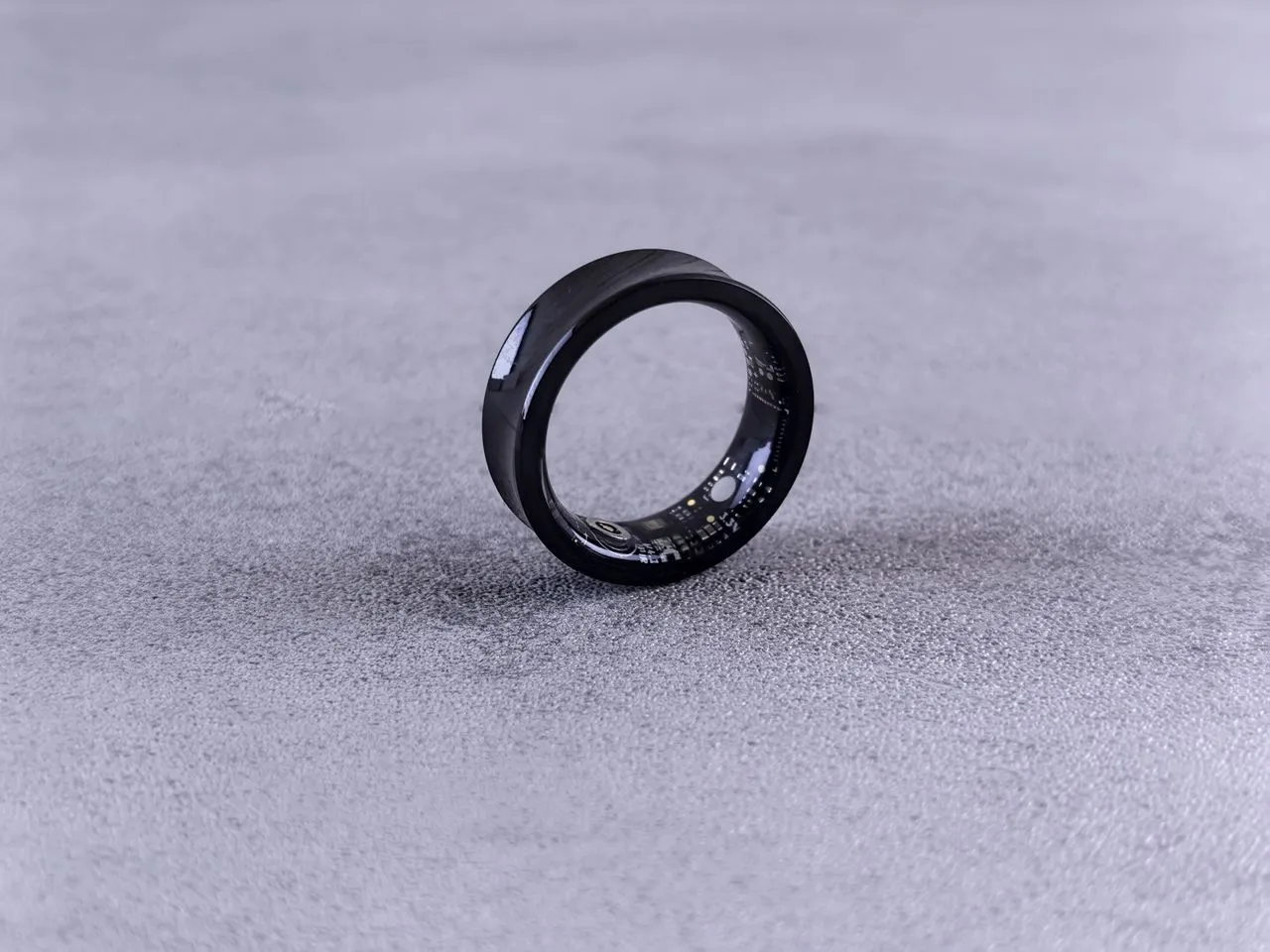
Natura's Interface smart ring launches at $99, but after a three- to six-month free period the company plans to charge $9 a month. Preorders are expected to open next month, with shipping slated for December or January.
What you get for $99
TechCrunch describes Interface as "a new $99 smart ring from AI and hardware startup Natura that's designed for the era of AI agents." The pitch is a press of the finger: "you can ask an AI agent to complete a task, capture thoughts, and get things done without reaching for your phone."
At launch the ring "will connect with a range of AI agents and apps, including Meta's Muse, Instinct, Grok Bot, Claude, ChatGPT, and more." Users running more than one "can specify which one they want to handle a particular task" — the example given is asking Claude to write code and Instinct to book a reservation. Replies come back "through connected headphones, an iPhone Live Activity, or the NatureOS app."
It is also a health tracker. The ring "tracks heart rate, resting heart rate, heart rate variability, different sleep stages, daily movement and step count, and skin temperature over time." Natura says it "can last six to 12 days on a full charge, depending on usage, and takes 100 minutes to fully recharge."
The price is the strategy, not the product
Two details decide whether $99 is the real number. First, TechCrunch reports that "although the ring will launch at $99, Natura plans to eventually raise the price. For now, the company wants to get the device into people's hands, build usage, and create demand before doing so."
Second, the subscription. Natura says manufacturing costs are "comparable to those of products like the Oura Ring and Samsung Galaxy Ring because they use many of the same components," and that it is pricing lower "to reduce the barrier to entry and drive adoption." That is a familiar structure: hardware near cost, recurring revenue behind it. At $9 a month, a buyer who keeps the ring two years past the free window pays more in subscription than for the ring itself.
Is it worth it?
Against health-first rings from Oura, Ultrahuman and RingConn, and AI-first ones from Pebble and Vocci, founder Carlo Edoardo Ferraris argues Interface combines both. He claims it is "significantly different compared to any other ring out there today" on the strength of health tracking, agent communication, meeting recording and battery life in a small form factor. That is the founder's case, not a measured comparison — no independent review exists yet, because the product has not shipped.
Ferraris, who previously founded accessories company Rolling Square, also makes a broader bet: "Ultimately, the main interface between users and technology is going to be the ring." He expects early buyers to be "mostly people in tech" who already run a personal agent, and predicts that "within a year, more or less, most people will have a personal agent." Treat that as a founder's forecast.
The practical read: the value of Interface depends entirely on an agent you already use and trust. The ring is a microphone and a button — the work happens in Muse, Claude, ChatGPT or Grok Bot. If you are not already dictating tasks to one of those daily, a $99 ring plus $9 a month buys a faster way to do something you do not currently do.
What to watch before preordering
Three unknowns remain. The company has not said what happens to the ring's agent features if you stop paying the $9. It has not published a shipping date firmer than "December or January." And Natura's previous product was HumanPods, AI-enabled earbuds — so Interface is a second form factor aimed at the same problem, with the company saying it wanted one "built for the latest advances in voice technology." Wait for shipped units and independent battery testing before treating the six-to-12-day figure as settled.
More from DangMua