How to Get Your Brand Cited by ChatGPT and Perplexity
AI assistants name two or three brands per answer. A 30-minute manual audit, the factors driving citations, and the llms.txt rules three new guides prescribe.
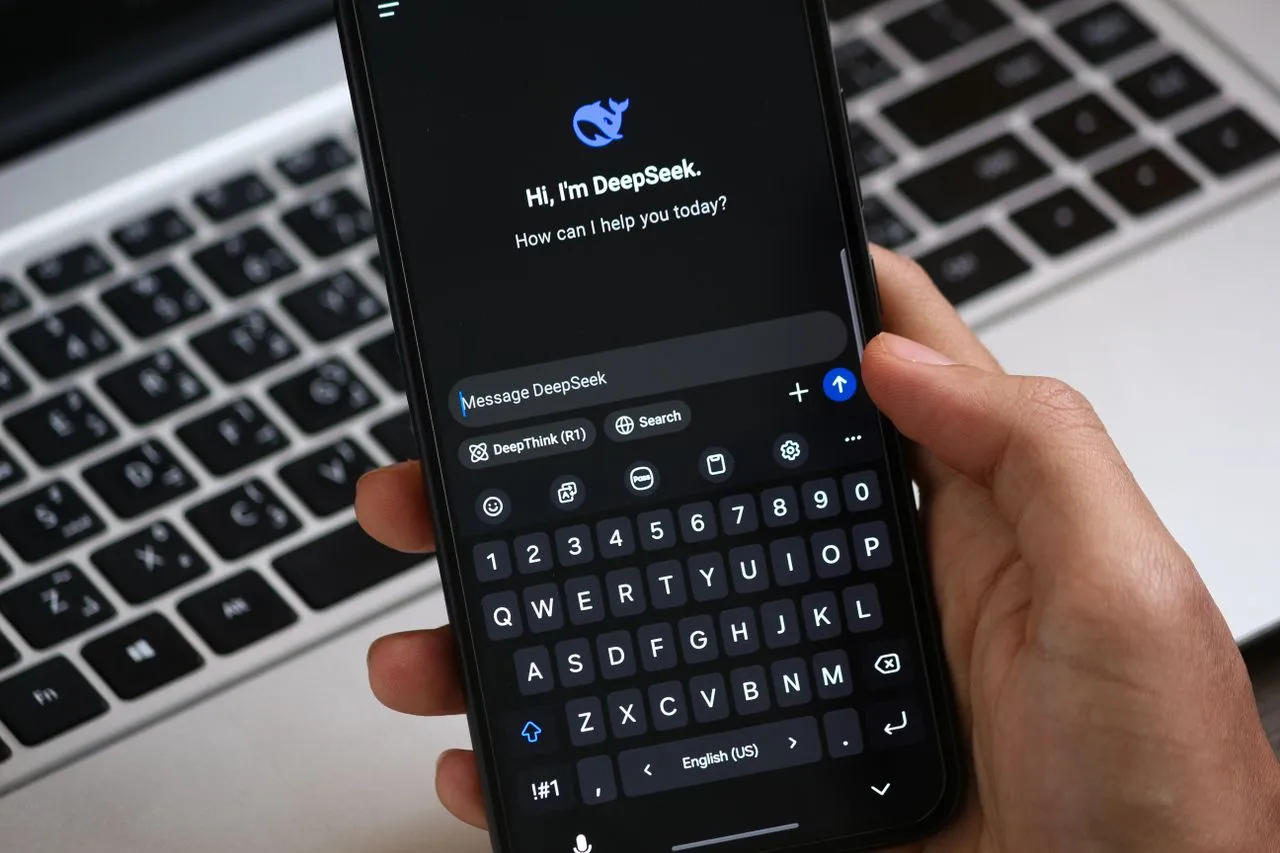
A buyer types "what's the best invoicing tool for freelancers?" into ChatGPT, reads the two or three names it returns, and picks one. No results page, no blue links, no click on your site. If your brand is not one of those names, you were never in the running — and nothing in Search Console will tell you.
Three guides published this week cover the three layers of fixing that: measuring where you stand, structuring pages so engines can quote them, and serving machine-readable facts at a known URL. Here is what each one actually prescribes, and what to be skeptical about.
Step one: a 30-minute manual audit beats a dashboard you never open
The fastest way to learn your AI visibility, according to a dev.to walkthrough by the founder of citation-tracking tool CiteMe, needs nothing but a spreadsheet and a few assistants.
Write 15 to 20 questions your customers actually ask, split three ways: discovery ("what tools help with X?"), comparison ("X vs Y", "alternatives to Z", "is X worth it?"), and problem questions phrased the way a frustrated person would type them. The guide is blunt about sourcing them: take the wording from your support inbox, sales calls and community threads — "Copy their wording, not your marketing wording."
Then run each question in at least three assistants, in a fresh chat or private window so your own history does not bias the answer. For every response, record whether your brand is mentioned, in which position, which competitors appear instead, which sources are cited, and whether what the engine says about you is actually correct.
Build one row per question, one column per engine. The guide says three patterns surface fast after twenty questions: competitors who show up everywhere (your real competitors in AI search, often not the ones you track on Google), questions that never mention you even though you clearly answer them (content gaps), and engines describing you with outdated information — usually because an old page, review site or directory still says something your website no longer does.
One caveat worth taking seriously, raised in the comments on that post: run the audit logged in with memory on and you are largely measuring what the assistant already knows about you, not what a stranger would see.
Step two: understand what actually gets cited
The term for this work is generative engine optimization — structuring content and online presence so AI systems mention, cite and recommend your brand. A longer GEO setup guide, published by the vendor behind the Omnia platform, lays out the factors that commonly influence which sources a retrieval-driven answer uses:
- Direct answerability — pages that state a clear answer in the first lines are easier to extract and quote than pages that bury it.
- Specificity — "a booking tool for independent physiotherapy clinics" is more citable than "we help businesses grow."
- Third-party corroboration — reviews, comparison articles, directories, forums and news described consistently across sources.
- Freshness, structure and crawlability, and entity clarity — consistent naming and facts about your brand across the web.
The same guide argues engines do not share one recipe. It cites Omnia's own published research, drawn from what it describes as a citation database of more than 42 million citations, finding that YouTube is the most cited domain in Google AI Overviews and AI Mode yet registers far fewer citations in ChatGPT. That figure comes from a company selling GEO tooling and has not been independently verified, so treat the specific number as a vendor claim — but the structural point, that per-engine source preferences differ, is consistent with what the audit in step one is designed to reveal.
The guide also sets expectations on timing, which is where it is most useful: crawler and technical fixes can show movement in days, content rewrites take weeks, and entity building plus earning third-party citations takes months. Its recommendation is to mix all three so there is always something to report — and it is explicit that GEO builds on SEO rather than replacing it.
How the scoreboard changes
| Dimension | Traditional SEO | GEO |
|---|---|---|
| Goal | Rank a page in a list of links | Be named or cited inside a generated answer |
| Unit of success | Position, impressions, clicks | Mention rate, citations, share of voice, sentiment |
| Query style | Short keywords | Long, conversational prompts |
| Feedback speed | Weeks to months | Days (technical) to months (entity work) |
| Measurement | Rank trackers, Search Console | Prompt-level tracking across multiple engines |
Step three: serve the facts at a fixed URL
The third piece is llms.txt, a proposed standard from llmstxt.org that a dev.to post describes as a Markdown-based parallel to robots.txt and sitemap.xml — instead of telling spiders where to crawl, it serves clean, token-efficient, machine-readable facts and canonical documentation.
The serving requirements are specific. The file must sit at the root of your domain (https://yourdomain.com/llms.txt), be served as text/plain; charset=utf-8 rather than text/html or application/octet-stream, and return 200 OK without authentication, cookies or redirect chains.
The author says they inspected hundreds of newly deployed files and found three recurring mistakes:
- Stale pricing. If your live page says $49/mo and your
llms.txtsays $29/mo, the post warns engines flag the contradiction as a trust failure. Link to the live pricing page instead of hardcoding numbers. - Marketing slogans. "The world's leading revolutionary AI platform" consumes context-window tokens and offers zero factual grounding.
- Private or gated routes. Staging URLs, admin panels and authenticated dashboard links do not belong there — crawlers only fetch public resources that return 200.
For bigger projects, the post suggests a companion /llms-full.txt with the full concatenated documentation when it fits within roughly a 100k-token context, linked from the bottom of the main file.
Note that all three sources here are written by people selling something in this space — citation tracking, a GEO platform, and an llms.txt generator respectively. The mechanics they describe are checkable on your own site in an afternoon; the market-size framing around them is not.
What to do this week
Our read on sequencing: do the free, fast things before buying any tracker.
- Run the 20-question audit by hand, in clean sessions, across three engines. Keep the table — it is your baseline.
- Open every source the engines cite. If a cited page is yours, keep it accurate; the guide notes it is probably doing more work than your homepage. If it is not yours, ask why it explains your category better than you do.
- Fix the factual errors at the source, not on your homepage — the outdated directory listing is what the model is echoing.
- Rewrite your top comparison and pricing pages to answer in the first two lines.
- Publish a minimal
llms.txtwith links, not hardcoded numbers, and check your server logs for actual crawler hits before investing further.
Then run the same twenty questions again next month. AI answers move after model updates and new articles, so a one-off audit is a snapshot, not a ranking — which is precisely the pitch every tool in this category is built on, and precisely the thing you can verify for free before you pay for it.
More from DangMua