Gemini Personal Intelligence Hits Android Auto: What It Reads
Google's in-car assistant can now read Gmail, Calendar, Maps, Photos, YouTube and Search — but only behind an opt-in toggle and a connected phone.
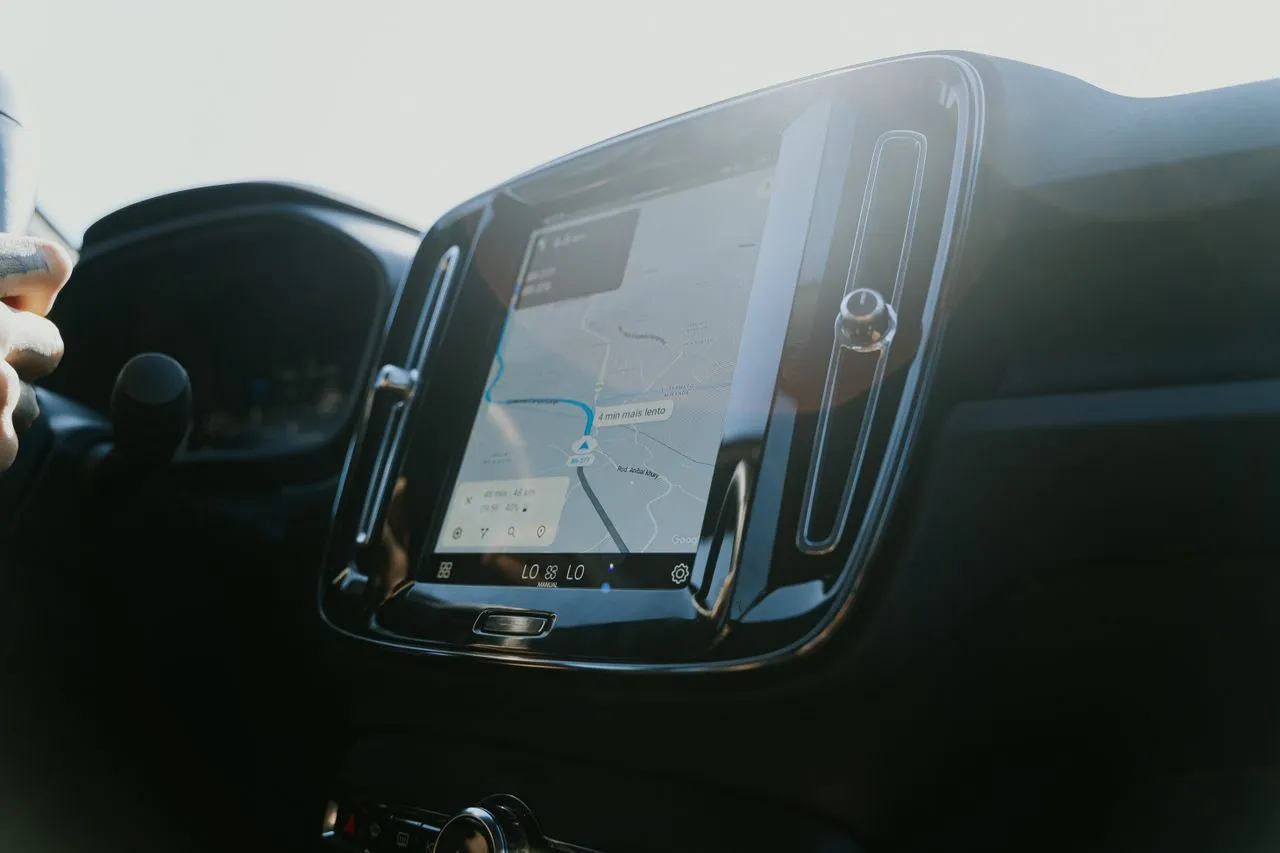
Google switched on Personal Intelligence for Gemini in Android Auto on Tuesday, letting the in-car assistant read across six of your Google apps.
The setting is opt-in, and it changes what the assistant can answer rather than what it can do. Here is what the toggle actually covers.
What the assistant gets to read
With Personal Intelligence enabled, The Verge reports that Gemini in Android Auto and in cars with Google built-in "can tap into your information across Google apps, including Gmail, Calendar, Maps, Photos, YouTube, and Search."
Google's own examples are navigation-shaped rather than chat-shaped. Ask about your flight status on the way to the airport and the assistant pulls the flight details out of a Gmail confirmation, then looks up the status. Say "take me to my doctor's appointment" instead of typing the address. Or, per the report, ask it to "find the car wash from the photo I took last week and navigate there."
That last example is the tell: the feature is less about a smarter chatbot and more about removing the three taps between a stored fact and a route.
Two conditions, not one
The report names two gates. Google will connect your apps to Gemini only if you enable the Personal Intelligence setting, and it will return personalized responses only while your phone is connected to the car.
Leaving it off is not a downgrade to a dumb head unit. Google's statement, as quoted: "If you don't use Personal Intelligence, everything in the car still works: You can use navigation, listen to music, make calls, and ask questions, but the answers won't be tailored to you."
In practice that makes this a genuine choice rather than a forced migration — worth noting if you share the car, or if the car is a company vehicle.
Where it runs now
Personal Intelligence began rolling out to Android Auto on Tuesday, with cars that have Google built-in getting it "in the coming months," according to the report. That matters for buyers: Google built-in is the deeper integration, and it is the one still waiting.
Several carmakers — Ford, GM, Honda, Nissan, Volvo, and Polestar — have shipped newer cars with Google built-in, which adds support for native Android apps. Gemini itself reached Android Auto last year and arrived in Google built-in cars in April, so the assistant is not new to these dashboards; the personal-data access is.
Read what a privacy switch doesn't cover
A useful contrast shipped the same week. OpenAI announced on Tuesday that ChatGPT users can lock individual conversations behind a four-digit PIN, Face ID or Touch ID, moving them into a separate Locked Chats section with its own memory.
What makes it instructive is OpenAI's own list of what locking does not do: it does not create end-to-end encryption or a separate encrypted vault, does not change how long the chat is retained, does not remove information ChatGPT remembered before the lock, and does not change the "Improve the model for everyone" setting. Resetting the PIN permanently deletes every locked chat and file behind it.
Apply the same reading to Personal Intelligence. The setting governs whether the assistant may reach your Gmail and Photos in the car. It is a connection switch, not a statement about storage or retention — and the reporting on the announcement does not address either.
What to watch
Three things worth tracking: when Google built-in cars actually receive the feature, whether Google publishes retention detail for in-car personal queries, and whether the phone-connection requirement loosens once built-in rollout starts. Until then, the decision is narrow and reversible — turn it on, see whether the flight-status trick earns its keep on your commute, and turn it off if it doesn't.
More from DangMua