Common Sense Media Rates ChatGPT for Teens 'Unacceptable Risk'
Common Sense Media says ChatGPT for Teens fails to alert parents in crisis cases. OpenAI disputes the testing timing; the rebuttal narrows the gap.
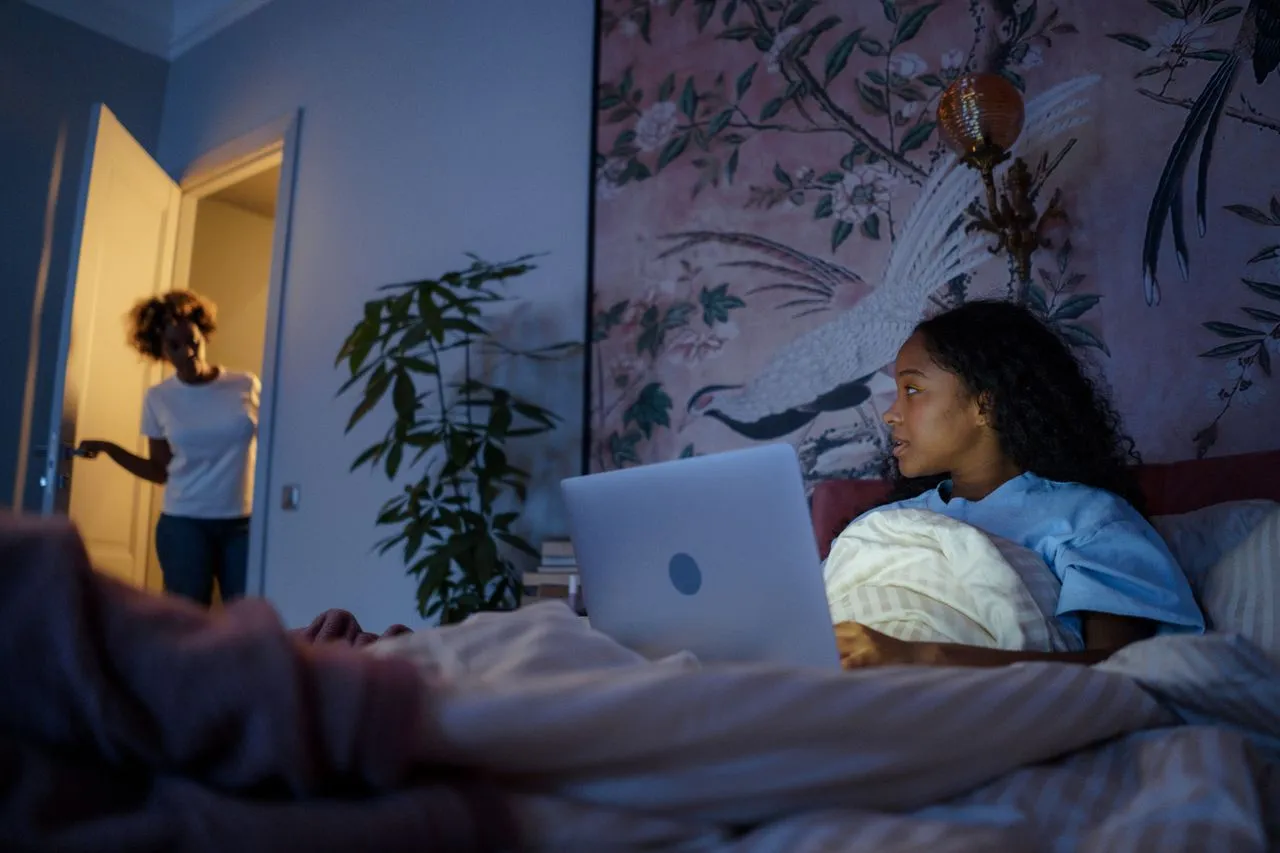
Common Sense Media on Wednesday called OpenAI's ChatGPT for Teens an "unacceptable risk," saying its parental alerts fail in the crisis cases they exist for.
The nonprofit, which reviews apps and services with a focus on youth safety, said the teen protections "fall short of what the company promised." OpenAI introduced ChatGPT for Teens in August with guardrails aimed at students.
What the assessment found
Common Sense Media's assessment reported three failures: ChatGPT "doesn't send alerts to parents when it should," doesn't offer "the right help in crisis situations," and "still does kids' homework."
The sharpest line came from Tom Siegel, executive director of the nonprofit's Youth AI Safety Institute. "A teen can spend an hour talking about self-harm without their parent getting a single alert," he said in a statement. "Until OpenAI fixes that and proves it with independent testing, ChatGPT should be for adults only."
Siegel also argued the product creates a second-order problem: it "could give parents false confidence in guardrails and safety alerts that frequently don't work." That framing matters more than any single test result — a guardrail that fails silently is worse than no guardrail, because it changes what parents stop checking.
OpenAI disputes the methodology, not the stakes
OpenAI pushed back on the testing rather than the premise. Spokesperson Eric Porterfield said the company welcomes "rigorous independent evaluation," but does not believe the testing "accurately reflects how ChatGPT's teen safeguards work in practice."
The specific objection is timing. Porterfield said OpenAI's review of the methodology "shows that the bulk of their testing may have begun and concluded before activation of parental controls was complete, making their findings inaccurate." If so, he said, the tests "would not establish whether parental safety notifications work as designed."
The rebuttal narrows the dispute
Siegel's response moved the argument onto firmer ground. He said Common Sense Media confirmed with OpenAI before testing that Teen mode features such as eating disorder notifications and study mode were fully launched.
On parental notifications specifically, he said OpenAI disclosed after the tests that its systems "can take several hours to activate on newly linked accounts." He conceded some test accounts fell inside that window — then added the detail that does the work: "others were linked for significantly longer, and still provided no notifications."
That concession-plus-counterexample structure is what keeps the finding alive. OpenAI's timing objection explains some of the failed alerts, not the ones on accounts linked well past the activation delay. Siegel said the new information "does not change our conclusion that parental alerts are unreliable for crisis situations."
What to watch
Neither side has published the per-account timing data that would settle it, so the live question is narrow and testable: on accounts linked hours or days before a crisis conversation, does the alert fire?
Three things are worth tracking from here. First, whether OpenAI publishes activation-delay documentation — an undisclosed multi-hour window between linking an account and alerts going live is a product gap regardless of who wins this exchange. Second, whether the company runs the independent testing Siegel demanded, which is the only thing that converts this from a press-release dispute into evidence. Third, whether regulators pick the exchange up as a signal.
For anyone shipping a teen-facing AI product, the transferable lesson is in the timing argument itself: a safety feature with a silent activation delay is indistinguishable, to the parent relying on it, from a safety feature that does not work.
More from DangMua