Anthropic Buys $3.4B of Gas Turbines for 1.7GW of Power
Anthropic is buying Caterpillar generators rated up to 1.7GW, breaking from its rent-don't-own pattern as turbine backlogs stretch into the 2030s.
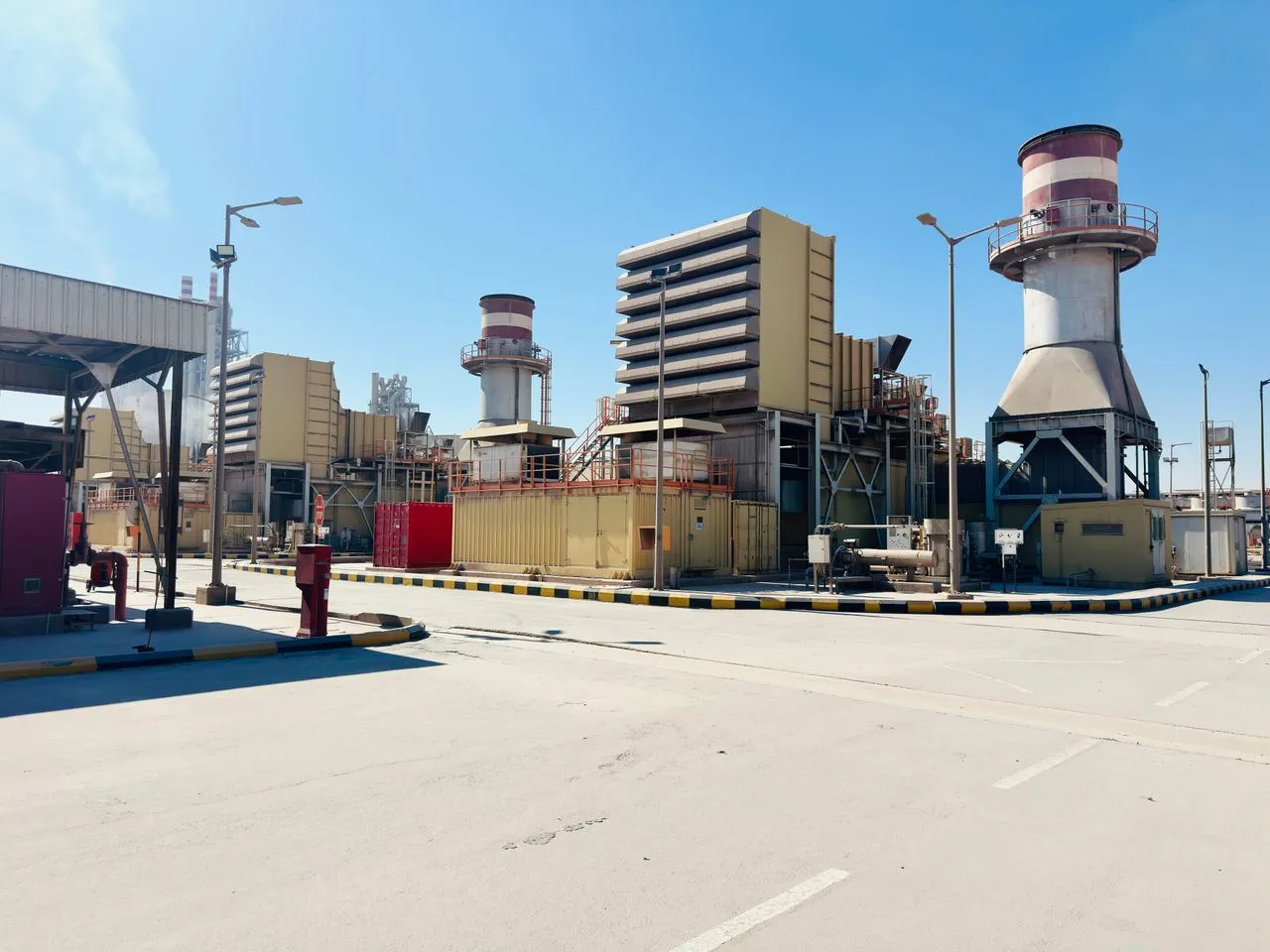
Anthropic is spending $3.4 billion on natural gas turbines, a company that TechCrunch notes has generally avoided buying physical infrastructure. The generators can produce up to 1.7 gigawatts of electricity — and the purchase lands in the same week countries are meeting in Antalya, Turkey for the UN climate conference.
What was bought, and from whom
The AI company is buying Caterpillar generators that equipment supplier OnePWR had originally ordered, according to a Financial Times report cited by TechCrunch. OnePWR placed that order a couple of years ago but could not find financing to complete the purchase. Anthropic had planned to buy the turbines from OnePWR, then went directly to Caterpillar, the manufacturer, instead.
TechCrunch reports it is not clear why OnePWR could not secure financing despite Anthropic's apparent interest as a customer. The outlet's read is that Anthropic likely wanted to keep the generating capacity to itself rather than let a competitor take it.
Why a renter started buying
The purchase is a departure. Anthropic has historically preferred to rent. TechCrunch points to the company's S-1 filing in May, which disclosed it is paying $1.25 billion per month through May 2029 for computing power, and stated: "We expect to enter into additional similar services contracts" — meaning more rental deals, not fewer.
Two supply constraints explain the shift. The backlog for natural gas turbines stretches into the early 2030s, and queues to connect to the electrical grid can run just as long. On TechCrunch's reading, buying turbines outright "looks like a last resort" rather than a strategy change.
Anthropic is planning to go public this year, per the same report.
The pattern across the industry
Anthropic is late to this, not early. Google, Amazon, Microsoft and Meta have all announced plans to build large natural gas power plants to run their data centers on site, drawing from their own generation rather than the public grid. TechCrunch reports the buildout has given a second wind to fracking.
Two figures frame the scale. If the buildout proceeds as planned, US data centers alone could consume more natural gas than Germany and Japan combined by 2035. And the reliance cuts both ways on cost: one analyst cited by TechCrunch expects gas prices could more than triple by the end of the decade in some markets — the basis for the report's suggestion that Anthropic may end up with buyer's remorse.
The climate argument, measured against delivery
The turbine purchase arrived the same day MIT Technology Review published an opinion piece by Mary Nichols and Jeremy Tamanini arguing that the climate case for AI has not been made. Their framing is worth separating from the industry's.
The optimistic claims are on record. The authors note OpenAI CEO Sam Altman declared in 2024 that AI would unleash "astounding triumphs," including "fixing the climate," and that a 2023 op-ed by Google's head of sustainability and a coauthor argued AI could reduce global emissions 5% to 10% by 2030.
The academic estimate is more specific. A peer-reviewed study led by researchers at the London School of Economics' Grantham Research Institute and the firm Systemiq estimated AI could cut global emissions by the equivalent of 3.2 to 5.4 billion tons of CO2 annually by 2035 — on the high end, roughly on par with US annual energy-related emissions, even after subtracting AI's own energy footprint. The gains concentrate in three sectors: power, meat and dairy, and vehicles.
Nichols and Tamanini then test that against what companies have actually shipped, via an AI-assisted review of public information. Their findings, sector by sector:
| Sector | What the projection required | What the review found |
|---|---|---|
| Power | AI supply/demand forecasting raising renewable electricity reaching the grid from existing solar and wind by up to 20%, preventing an estimated 1.8 billion tons of emissions a year | Of grid operators reviewed in China, the US and Europe, only one had a known meaningful working program: the UK's National Grid ESO with Open Climate Fix, which halved solar-forecast error and avoids hundreds of thousands of tons of CO2 a year |
| Meat and dairy | AI closing the taste and cost gap with alternative proteins | NotCo's joint venture with Kraft Heinz, using its Giuseppe platform, was one of the clearest efforts; few others were as deeply integrated. VC into cultivated meat fell from a $989 million peak in 2021 to around $83 million last year |
| Transportation | AI integration in batteries and routing | The most hopeful sector. CATL, which controls roughly 40% of the global EV battery market, ran an AI system trained on more than 100,000 battery design cases and 600 terabytes of test data, cutting material screening time by two orders of magnitude, according to the company. Independent researchers found Didi Chuxing cut per-trip emissions 16% on average with AI-optimized routing |
The authors add a complication the sector projections do not capture: oil and gas companies are also interested in these tools, including for increasing fossil fuel production. And integrating AI is only the first step — it does little to shorten certifying, permitting, building, packaging, marketing and selling whatever results.
One detail is worth recording plainly. The authors state their analysis was carried out by Anthropic's Claude Code, then reviewed against public documents and media accounts for accuracy. The same company that bought generators rated at up to 1.7 gigawatts this week supplied the tool used to audit the industry's climate claims.
What to watch
Three things will tell you whether this purchase was defensive or directional. First, whether Anthropic's rental commitments keep growing alongside the owned capacity — the S-1 language points that way. Second, whether gas prices move toward the tripling one analyst projects, which decides whether 1.7 gigawatts of owned generation reads as a hedge or a liability. Third, whether grid-forecasting deployments spread beyond the single operator Nichols and Tamanini could find, because that is the sector where the emissions math was most concrete and the delivery gap widest.
More from DangMua