AI Agents Booked Just 4 Uber Rides All Last Quarter
Uber disclosed that third-party AI agents arranged four rides in Q3 2026 and around 500 Eats orders in one week, out of 320 million total trips.
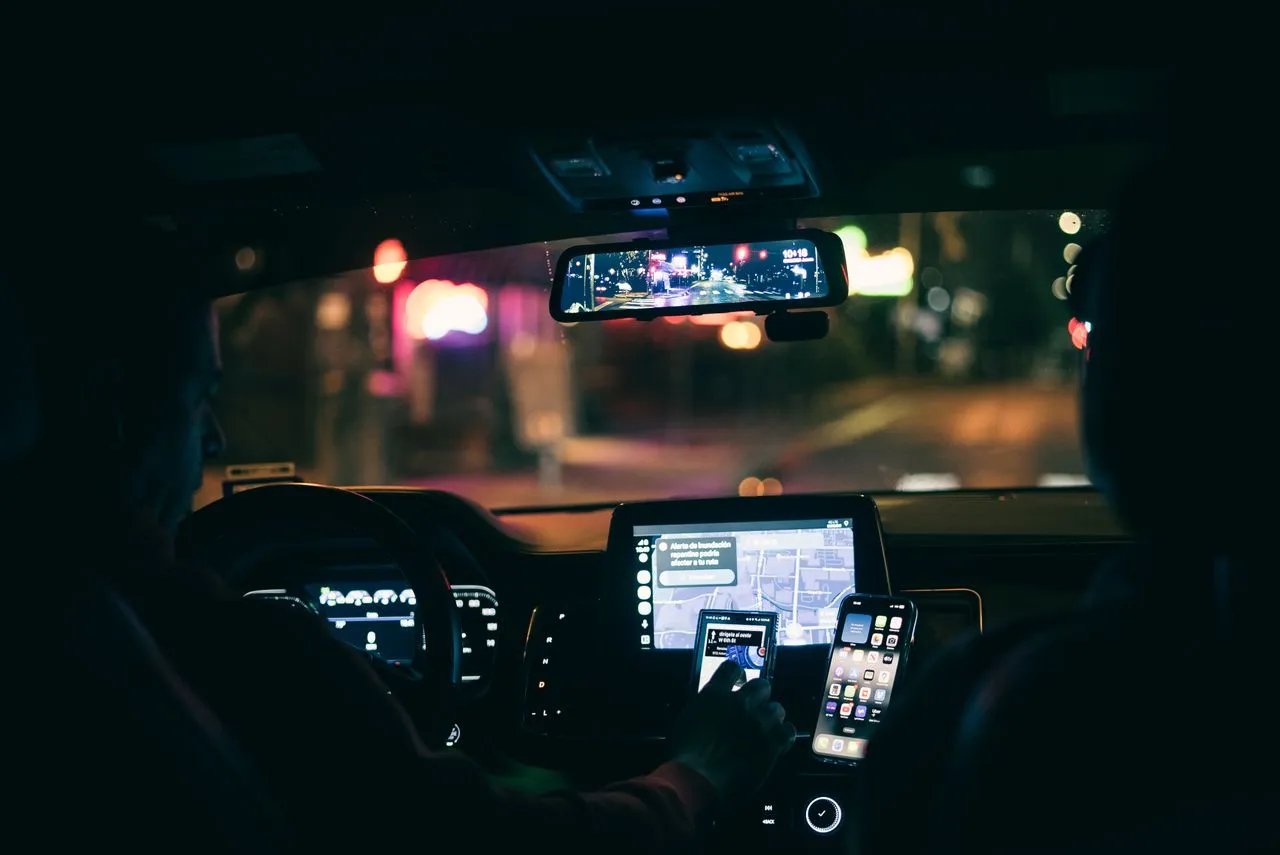
Third-party AI agents arranged exactly four Uber rides in the third quarter of 2026, executives disclosed on the company's third-quarter earnings call.
Uber Eats did better, but not by much. The Verge reports the company recorded "around 500" agent-fulfilled Eats orders during the week of Halloween — against a total of 320 million Uber rides and Uber Eats deliveries.
This is the first time Uber has disclosed how many third-party AI agents have arranged rides or deliveries on its platform, according to the report.
Why the number matters
The disintermediation thesis has been priced into a lot of commentary this year. As The Verge frames it, with the rise of agents "like Meta's Muse or OpenAI's Dots, some experts are predicting that platforms like Uber and DoorDash are at risk of disintermediation, in which customers use AI agents to order food or book a ride, rather than visiting the app itself."
Four rides is the first hard measurement against that thesis, and it is roughly zero. Treat it as a floor, not a forecast — it covers third-party agents on one platform in one quarter — but it is the only disclosed figure anyone has.
What Uber said
CEO Dara Khosrowshahi was openly non-committal on the call:
"We hope that there will be more traction. We do think that we want to make services that are available to consumers in a delightful, easy way. We think our direct services are going to be the most delightful and easy, but we will work with these third parties."
He added that "it is just very, very early, and we want to make sure we are not dependent on any one player."
Read that as a negotiating position rather than a roadmap. The report notes platform operators "have little incentive to allow these agents to barge in and replace their own customers" — and Uber is building its own alternative. It rolled out a Cart Assistant for Uber Eats earlier this year, which the report describes as an AI bot that builds a grocery list from an image of a recipe or a text prompt.
What this tells you about agent integrations
If you are building agents that transact against consumer platforms, the constraint here is not model capability. It is access.
Uber's posture — cooperative in tone, competitive in product — is the shape most large platforms will take. They will publish enough surface to avoid looking closed, keep the high-margin flow inside their own app, and ship a first-party assistant that makes the third-party route redundant for ordinary tasks.
The practical read for anyone sizing an agent-commerce product:
- Do not model adoption from announcement volume. Agent commerce has had a loud year and four rides to show for it on this platform.
- Assume the platform ships the competing feature. Cart Assistant exists; more will follow.
- Watch disclosure, not demos. Uber just set a precedent by publishing a number. Whether DoorDash and its peers follow is the thing to track next quarter.
The interesting question is not whether four becomes four thousand. It is whether the platforms that control the inventory ever let it.
More from DangMua